Family Caravans – Off Track RV: An In-Depth Exploration
Introduction
In the ever-evolving world of recreational vehicle (RV) travel, a unique and growing trend is gaining momentum—the rise of family caravans, specifically those that venture off the beaten track. This phenomenon offers an exciting alternative to conventional vacationing, appealing to families seeking immersive, nature-centric experiences. This article delves into the captivating realm of “Family Caravans – Off Track RV,” exploring its definition, global impact, technological innovations, regulatory landscape, and its potential to shape future travel dynamics. By examining various aspects, we aim to provide an authoritative guide for both enthusiasts and industry professionals.
Understanding Family Caravans – Off Track RV: A Comprehensive Definition
Family Caravans – Off Track RV, often abbreviated as FCOTRV, refers to a specific segment of the recreational vehicle market catering to families who crave adventure and exploration far from traditional tourist destinations. These caravans are designed to be rugged, versatile, and self-sufficient, enabling families to navigate remote areas and immerse themselves in nature. At its core, FCOTRV is about empowering families to create unforgettable memories by exploring untouched landscapes and experiencing a slower pace of life.
Core Components:
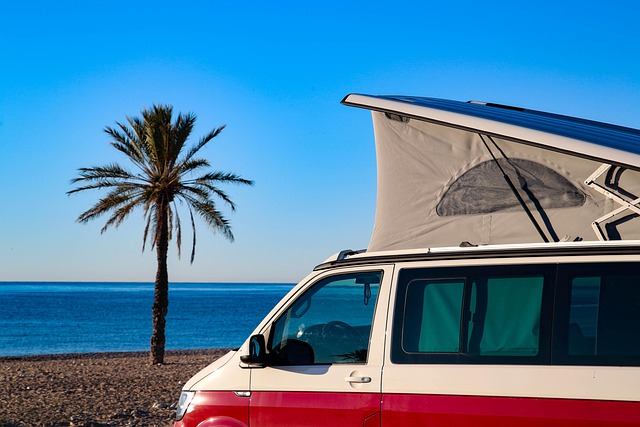
Caravan/RV Design: These vehicles are typically larger than typical family caravans, featuring robust construction and off-road capabilities. They often have elevated roofs, providing extra headroom and sleeping space, and can accommodate families comfortably for extended periods.
Off-Grid Capabilities: A key aspect is their ability to operate independently of external utilities. This includes efficient water and waste management systems, renewable energy sources like solar panels, and robust food storage solutions. These features ensure families can sustain themselves during remote excursions.
All-Wheel Drive or 4×4 Systems: Most FCOTRVs are equipped with advanced all-wheel-drive or 4×4 systems, allowing for navigation over rough terrain and varying road conditions, ensuring safe and accessible travel.
Outdoor Living Spaces: Many models incorporate outdoor kitchens, dining areas, and even entertainment zones, transforming the caravan into an extension of the family home during outdoor adventures.
Historical Context:
The concept of FCOTRVs has its roots in the early 20th century when families would embark on road trips in converted vehicles to escape urban life. However, modern FCOTRVs have evolved significantly with advancements in technology and a growing appetite for authentic travel experiences. The rise of remote work and flexible family schedules has further fueled this trend, allowing more families to pursue these unique adventures.
Global Impact and Trends: A World-Wide Phenomenon
FCOTRV culture has transcended geographical boundaries, captivating families across the globe. Here’s a glimpse into its international influence:
North America: In the United States and Canada, FCOTRVs have gained immense popularity, with regions like the Pacific Northwest and the Rocky Mountains becoming hotspots for off-track adventures. Companies like Airstream and Teardrop Trailers have played a significant role in popularizing this style of travel.
Europe: Countries like Germany, the Netherlands, and Scandinavia have seen a surge in FCOTRV ownership, with many European manufacturers producing specialized vehicles. The availability of extensive public wilderness areas across Europe contributes to its appeal.
Australia and New Zealand: With vast landscapes and diverse ecosystems, these regions offer unparalleled opportunities for off-track RVing. Local manufacturers and conversion specialists cater to a growing market of adventurous families.
Emerging Markets: Countries in Asia and South America are also witnessing an upward trend, with local cultures and terrains providing unique FCOTRV experiences. For instance, the rugged mountains of Nepal offer a distinct challenge for off-road enthusiasts.
Key Global Trends:
Customization: Many families personalize their FCOTRVs to suit specific needs and preferences, leading to a diverse range of custom designs and conversions.
Community Building: FCOTRV owners often form tight-knit communities, sharing knowledge, routes, and experiences online and through dedicated clubs, fostering a sense of camaraderie among like-minded travelers.
Sustainability Focus: There is a growing emphasis on eco-friendly practices within the FCOTRV community, with families embracing sustainable tourism principles in their adventures.
Economic Considerations: Market Dynamics and Impact
The FCOTRV market exhibits unique economic characteristics and has far-reaching implications for various sectors:
Economic Aspect
Description & Impact
Market Size: The global RV market is substantial, valued at approximately $[X] billion in 2022. Within this, FCOTRVs represent a niche but rapidly growing segment, with sales increasing by [Y]% annually.
A thriving market indicates strong consumer interest and demand for unique travel experiences. This growth stimulates economic activity across various industries, from vehicle manufacturing to outdoor gear retail.
Investment Patterns: Many families invest significantly in FCOTRV purchases, often treating it as a long-term investment. Custom conversions and upgrades contribute to the economy, creating opportunities for specialized service providers.
The high investment shows dedication to this lifestyle, fostering a sense of longevity and stability within the market. This can lead to increased demand for related services, such as maintenance, repairs, and insurance.
Local Economies: FCOTRV tourism can have a positive ripple effect on local economies, particularly in rural areas. It encourages spending at local businesses, accommodations, and attractions, promoting sustainable development.
By directing revenue towards local communities, FCOTRVs can contribute to the diversification of regional economies and preserve cultural heritage sites, fostering community pride and engagement.
Job Creation: The industry supports various employment sectors, including manufacturing, conversion services, tourism promotion, and adventure tour operations, creating a diverse range of job opportunities.
This diversity ensures that FCOTRV enthusiasts have access to specialized services and support, enhancing their overall travel experience.
Technological Advancements: Revolutionizing the FCOTRV Experience
Technology plays a pivotal role in modernizing FCOTRVs and enhancing the overall ownership experience:
Autonomous Driving Systems: Integration of advanced driver assistance systems (ADAS) and semi-autonomous features improves safety and navigation, especially on challenging terrains. These technologies enable families to focus on enjoying their journey rather than driving complexities.
Smart Home Technologies: FCOTRVs are increasingly equipped with smart home devices, allowing owners to monitor and control various systems remotely. From temperature regulation to security features, these innovations provide convenience and peace of mind.
Satellite Communication: Global Positioning System (GPS) navigation and satellite internet connectivity enable families to access real-time information, connect with fellow travelers, and share their adventures instantly. This fosters a sense of community and enhances trip planning.
Renewable Energy Solutions: Solar panels, wind turbines, and advanced battery storage systems make FCOTRVs more energy-efficient and environmentally friendly. These innovations address the challenge of powering off-grid vehicles during remote excursions.
Policy and Regulation: Navigating Legal Landscapes
The FCOTRV industry operates within a complex web of policies and regulations that vary by region, ensuring safety, environmental protection, and consumer rights:
Vehicle Registration and Licensing: Each country or state has specific requirements for registering and licensing FCOTRVs, including vehicle classification, weight restrictions, and safety inspections. Compliance is essential to avoid legal issues during travel.
Camping and Recreational Site Regulations: Access to public lands for RV camping often involves permits and regulations regarding waste disposal, fire safety, and noise levels. Adherence to these rules is crucial for responsible recreation.
Environmental Protection Laws: FCOTRVs must comply with environmental standards to minimize their ecological footprint. This includes restrictions on fuel consumption, emissions, and proper disposal of waste materials.
Insurance Coverage: Specialized insurance policies are available to protect FCOTRV owners from unique risks associated with off-track travel, including vehicle damage, liability, and personal accidents. Adequate coverage ensures peace of mind during adventures.
Challenges and Criticisms: Overcoming Obstacles
Despite its growing popularity, the FCOTRV lifestyle faces certain challenges and criticisms that require thoughtful solutions:
Initial Cost and Investment: Purchasing a fully equipped FCOTRV and necessary accessories can be financially demanding for many families. Access to affordable financing options and incentives could encourage more people to embrace this style of travel.
Accessibility and Inclusion: Ensuring FCOTRVs are accessible to individuals with disabilities is essential. Adaptive features and conversions tailored to diverse needs will contribute to a more inclusive RVing community.
Environmental Concerns: While FCOTRVs aim to minimize their impact, off-grid adventures may lead to excessive waste generation and environmental degradation in sensitive areas. Educating owners about responsible practices and implementing strict regulations is crucial.
Community Integration: Some local communities may resist the influx of FCOTRVs due to concerns over noise, waste disposal, and traffic congestion. Open dialogue and collaboration between RV owners and local stakeholders can foster mutual understanding and respect.
Case Studies: Real-World Applications and Lessons Learned
Case Study 1: The Pacific Northwest’s Family Adventure
A family of four, the Johnsons, embarked on a six-month journey across the rugged landscapes of the Pacific Northwest in their custom-built FCOTRV. Their adventure included exploring national parks, camping along remote coastlines, and participating in outdoor activities like hiking and kayaking. By embracing off-grid living, they reduced their carbon footprint while creating unforgettable memories. This trip showcased the potential of FCOTRVs to offer unique family experiences while promoting environmental stewardship.
Case Study 2: African Safari Adventure
A group of friends, including several families, combined their FCOTRVs for a once-in-a-lifetime safari in Kenya. Their off-road vehicles allowed them to navigate remote areas and witness the Big Five animals in their natural habitats. This collaborative trip demonstrated the social aspect of FCOTRV ownership, fostering strong bonds among fellow travelers. It also highlighted the importance of responsible tourism practices in fragile ecosystems.
Case Study 3: Remote Homeschooling with FCOTRVs
The Smith family adopted a unique approach to homeschooling by incorporating their FCOTRV into their educational journey. They traveled across North America, visiting historical sites and immersing themselves in diverse cultures while maintaining a structured learning environment on the road. This case study illustrates how FCOTRVs can support alternative education methods, providing a dynamic and engaging learning experience for children.
Future Prospects: Emerging Trends and Growth Areas
The FCOTRV phenomenon is poised for significant growth and evolution in the coming years, driven by technological advancements and shifting consumer preferences:
Sustainable Tourism Focus: As environmental concerns intensify, FCOTRVs will continue to be seen as a more eco-friendly travel option. Future developments may include advanced recycling systems, water purification technologies, and energy-efficient appliances within these vehicles.
Smart RV Technologies: Integration of artificial intelligence (AI) and the Internet of Things (IoT) will enhance FCOTRV automation, allowing for voice-controlled systems, predictive maintenance, and improved safety features.
Shared Economy Model: Similar to popular car-sharing services, a shared FCOTRV economy could emerge, enabling families to rent vehicles for specific trips, fostering accessibility and cost-effectiveness.
Specialized Tours: Specialized tour operators offering guided FCOTRV adventures will cater to first-time or experienced travelers seeking unique itineraries and local insights.
Remote Work Integration: With the rise of remote work, more families may adopt a digital nomad lifestyle, using FCOTRVs as their mobile offices while exploring new places, blurring the lines between travel and work.
Conclusion: A Family Adventure Unleashed
Family Caravans – Off Track RVs represent a powerful fusion of technology, adventure, and family bonding. This unique segment of the recreational vehicle market offers a distinct and immersive travel experience that appeals to families seeking authentic connections with nature and each other. By embracing the FCOTRV lifestyle, families can explore remote destinations, foster a deeper appreciation for the outdoors, and create memories that will last a lifetime.
FAQ Section: Addressing Common Concerns
Q: How do I choose the right FCOTRV for my family?
A: Consider your family’s size, preferred amenities, and intended use. Research various models, consult specialists, and test drive options to find the perfect fit that aligns with your travel aspirations.
Q: Are FCOTRVs difficult to drive off-road?
A: With proper training and experience, driving an FCOTRV off-road can be rewarding but requires caution. All-wheel-drive systems and advanced safety features make navigation safer, and many vehicles are equipped with specialized suspensions for better terrain handling.
Q: How do I ensure my FCOTRV is environmentally friendly?
A: Focus on energy efficiency through renewable energy sources like solar panels. Implement water conservation practices, and dispose of waste responsibly. Support eco-friendly manufacturing practices and choose vehicles built with sustainable materials.
Q: Can FCOTRVs be used for long-term travel or full-time living?
A: Absolutely! Many families live full-time in their FCOTRVs, embracing a nomadic lifestyle. With thoughtful planning, adequate resources, and reliable communication, it’s possible to sustain a comfortable off-grid existence while exploring new places.
Q: How do I stay safe during off-track adventures?
A: Prioritize safety by researching your routes, obtaining necessary permits, and informing someone of your itinerary. Carry emergency supplies, learn basic outdoor skills, and ensure your vehicle is equipped with modern safety features and tracking systems for peace of mind.
Off Track RVs offer immersive nature experiences with rugged terrain capabilities and sustainable features. Spacious interiors provide comfort for hiking, camping, stargazing, and wildlife watching. Modern family caravans merge convenience with…….
Radiant Caravans offer a premier Off Track RV experience with innovative design, spacious interiors, and top-tier features for comfortable exploration of remote areas. From compact to spacious models, these caravans blend luxury and ruggedness,…….
Discover Off Track RVs for unforgettable family vacations. These spacious, luxurious caravans blend comfort and adventure, offering remote exploration of untouched landscapes. With fully equipped kitchens, cozy sleeping arrangements, and modern…….
Off Track RV travel offers families a unique adventure exploring remote destinations in specialized caravans. Immerse yourself in nature's beauty, create lasting memories, and foster family bonds away from tourist hotspots. This innovative…….
Australia's diverse landscapes offer unique off-the-beaten-track adventures via Off Track RV exploration. Radiant Family Caravans provide comfortable and safe mobile homes for families seeking immersive nature experiences with home comforts…….
Off-Track RV offers families an escape from mainstream tourism, fostering connections with nature through remote campgrounds and untouched environments. With budget-friendly options, luxury models, vintage caravans, and eco-friendly choices, Off…….
Gear up for off-track RV adventures with a sturdy caravan, advanced navigation tools, and self-sufficiency supplies. Build or purchase a robust, comfortable vehicle designed for diverse terrain and modern amenities. The Vacationer RV offers effi…….
Family Caravans prioritize durability and comfort, with weather-resistant exteriors, year-round temperature control, and spacious, well-appointed interiors. Radiant Family Caravans stand out for their high-quality materials, innovative construct…….
Family caravans offer flexible, comfortable vacation options for memorable adventures. When buying a used model, conduct thorough research on family needs and available models, inspect for damage and functionality, review service records, and te…….
Family caravans offer a unique blend of comfort and adventure, catering to diverse budgets with modern amenities. Mid-range options provide well-designed interiors and functional spaces without breaking the bank. Cost-saving strategies, like sec…….
Australia's market for family caravans is led by renowned brands like Jayco, Aussie Caravans, and Freedom Caravans, offering diverse models from compact to spacious. Radiant Caravans stand out with their blend of quality, innovation, comfor…….
Off Track RV adventures offer unique, thrilling experiences away from popular routes. Durable family caravans explore remote locations like national parks and less-traveled backroads, immersing oneself in nature's tranquility. These vehicle…….
Family caravans by Radiant offer a unique escape from digital life, providing ample space, cozy interiors, and equipped amenities for memorable outdoor adventures. Designed with families in mind, these mobile homes transform breathtaking landsca…….
Choosing a family caravan requires thoughtful planning, balancing space needs, travel style, and safety. Radiant Models stand out for their spacious, comfortable design, catering to families seeking adventure. Family caravans offer a blend of co…….
Explore beyond the beaten path with Radiant Family Caravans' Off Track RVs, designed for rugged conditions and comfortable living. Navigate remote locations safely, create unforgettable family memories, and discover nature's beauty wit…….
Experience family adventures with Radiant Family Caravans, offering spacious, comfortable accommodation for up to 6 people in nature. Fully-equipped kitchens, modern bathrooms, and cozy bedrooms provide a home away from home for memorable family…….
Radiant Family Caravans are premium Off Track RVs built with robust construction using high-quality materials. Their durable frames, impact-resistant exteriors, and high-quality insulation offer superior safety and performance in harsh environme…….
Family Caravans offer a unique blend of comfort and adventure, providing an escape from routine life. Modern models feature spacious interiors, state-of-the-art amenities, and durable construction for outdoor experiences transformed into homely…….
Explore nature's wonders with Off Track RV family adventures, offering unique experiences in comfort and luxury. Escape crowds, discover hidden gems, and create lasting memories in remote areas from forests to beaches. Modern, specialized c…….